

Does your dog bark all night and keep you awake? Learn how to stop dog barking at night with proven calming tricks. Discover what causes nighttime barking and expert-approved methods to ensure peaceful, quiet sleep for both you and your furry friend.

Why Dogs Bark at Night
It’s frustrating when your dog barks endlessly after dark — especially when you’re trying to sleep. But before you can stop dog barking at night, you need to understand what’s behind it. Dogs communicate through barking, and nighttime barking usually means they’re anxious, bored, or responding to outside noises.
Common Reasons for Nighttime Barking
- Separation Anxiety: Dogs left alone in another room may bark out of stress or fear.
- Noises Outside: Passing cars, animals, or wind can trigger your dog’s alert instincts.
- Boredom or Pent-Up Energy: A dog that hasn’t exercised enough during the day may release that energy at night.
- Medical Issues: Pain, urinary problems, or discomfort can cause restlessness.
- Attention-Seeking: Some dogs learn that barking brings you to them — even if it’s just to say “Quiet!”
How to Stop Dog Barking at Night
Once you know the cause, you can address it effectively. The following training techniques and calming tricks have been tested by experts and dog trainers to ensure lasting results.
1. Exercise and Mental Stimulation
Tired dogs sleep better. Ensure your dog gets at least 30–60 minutes of physical activity daily, such as fetch, walks, or agility training. You can also use puzzle toys or scent games to keep their mind active.
2. Establish a Consistent Bedtime Routine
Dogs thrive on routine. Feeding, walking, and bedtime should happen at the same time each day. A calm, structured routine signals that it’s time to rest — not play.

3. Create a Comfortable Sleeping Space
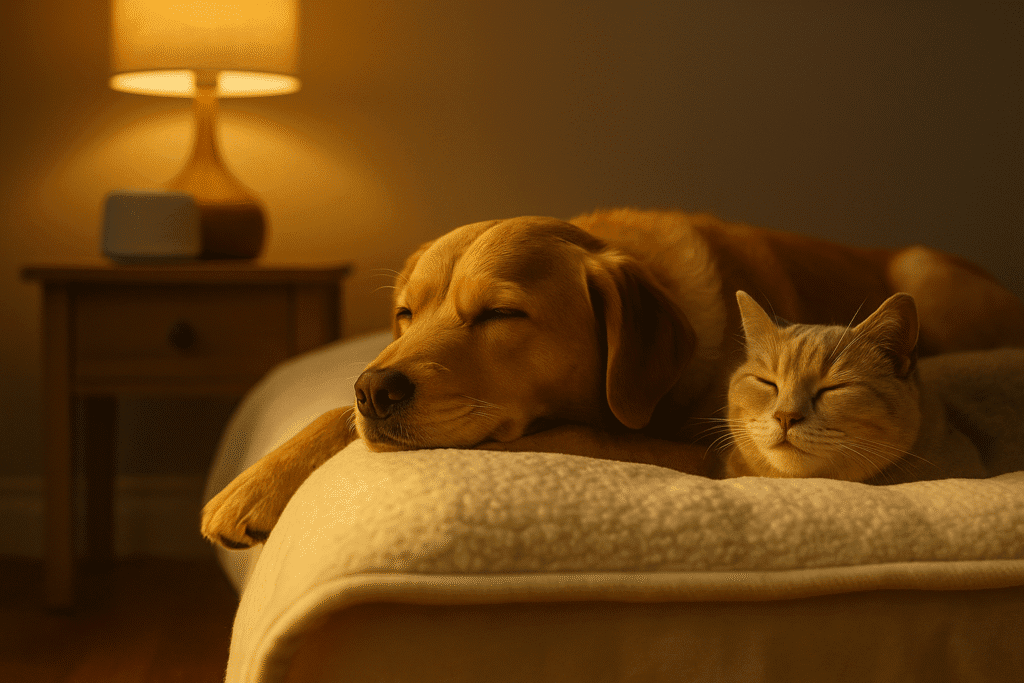
Give your dog a safe, quiet, and cozy place to sleep. A soft bed, dim lighting, and white noise can reduce anxiety. Covering their crate with a breathable blanket can help mimic a “den-like” environment.
4. Ignore the Attention-Seeking Barking
Dogs often bark because they get a reaction. If your dog learns that barking makes you come running, they’ll continue. Stay calm and avoid yelling — it can make them think you’re “joining in.” Wait for a moment of silence, then reward the quiet behavior.
5. Try Calming Aids or Soothing Sounds
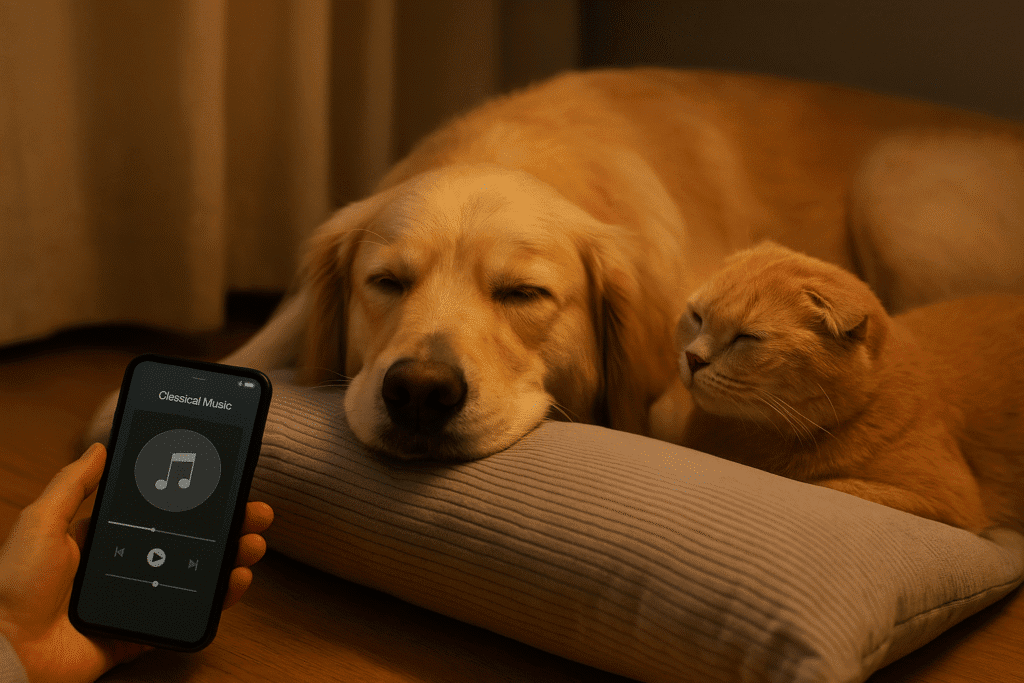
Natural remedies like calming sprays, pheromone diffusers, or gentle music can create a peaceful environment. Studies show that classical or soft instrumental music helps reduce anxiety in dogs.
6. Desensitize to Nighttime Triggers
If noises outside set your dog off, slowly introduce them to those sounds at a low volume during the day. Reward calm behavior, and gradually increase the sound level to build tolerance.
7. Address Separation Anxiety
For dogs with anxiety, try sleeping near them initially, then gradually increase distance. Leave a worn t-shirt with your scent or a soft blanket to provide comfort. In severe cases, consult your vet about behavioral therapy or calming medication.
When to Consult a Veterinarian
If you’ve tried all the methods and your dog still barks excessively, it’s time to check for underlying health issues. Persistent barking can be caused by:
- Chronic pain or joint discomfort
- Age-related confusion (especially in senior dogs)
- Respiratory or urinary problems
Schedule a checkup with your vet to rule out medical causes and discuss safe calming options. For expert insights, check AKC — How to Stop Your Dog From Barking
Additional Training Resources
- How to Stop Dog Barking: Effective Training Methods That Work
- Separation Anxiety in Dogs: Training & Calming Tips
FAQ: People Also Ask
1. Should I ignore my dog barking at night?
Yes, if it’s for attention. Responding reinforces the behavior. Wait for silence, then reward calmness instead.
2. Does white noise help dogs sleep?
Absolutely. White noise masks environmental sounds, reducing barking triggered by outside disturbances.
3. What if my dog barks at night in the crate?
Ensure they’re not anxious or need a potty break. Gradually crate-train using positive reinforcement and comfort cues.
4. Can I use anti-bark collars?
Avoid shock collars. Instead, use vibration or sound-based devices only under professional guidance.
5. How long does it take to stop nighttime barking?
Most dogs improve in 1–2 weeks with consistent training and environmental management.
Conclusion: Restful Nights for You and Your Dog
Nighttime barking can be exhausting, but it’s not hopeless. With patience, routine, and positive reinforcement, you can stop dog barking at night for good. The result? Peaceful nights, happier neighbors, and a calmer, well-rested pup.
CTA
👉 Discover more expert Training Tips to build a calm, confident dog.