
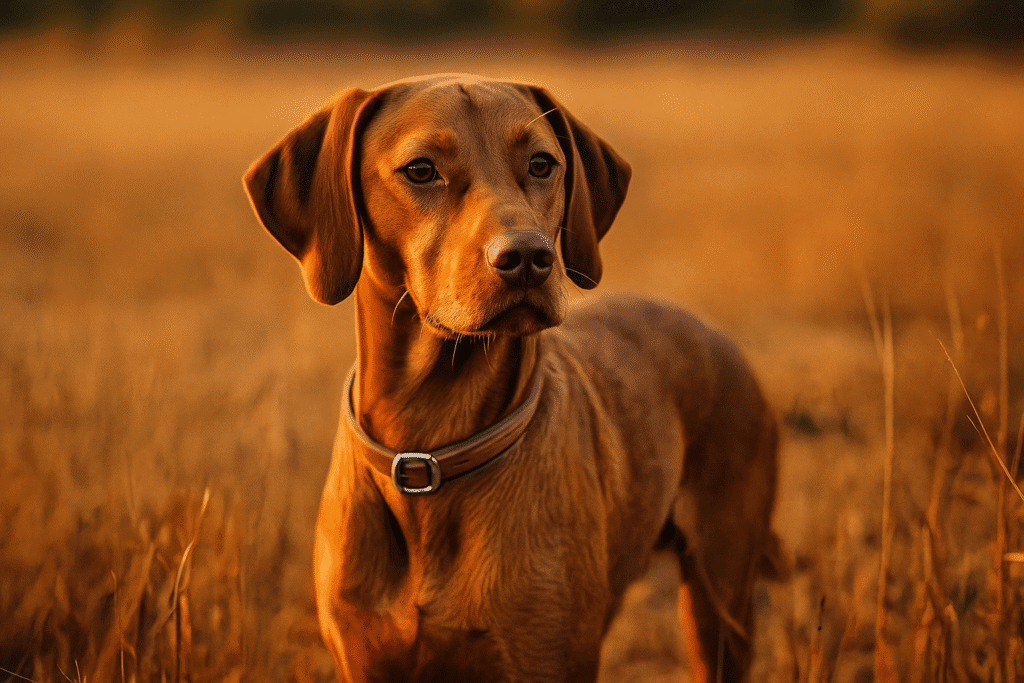
This Vizsla Care Guide explores everything you need to know about this energetic and affectionate breed. From training and grooming to health and personality, learn how to raise a happy, healthy Vizsla — the loyal “Velcro dog” who’ll quickly steal your heart.

Introduction: Meet the Vizsla — Hungary’s Golden Treasure
The Vizsla is a beautiful blend of elegance, energy, and affection. Originating from Hungary, this medium-sized sporting dog was bred for hunting and companionship — a combination that makes them both athletic and emotionally sensitive. Known for their striking golden-rust coat and soulful amber eyes, Vizslas are sometimes called “Velcro dogs” because of their unwavering attachment to their owners.
In this Vizsla Care Guide, we’ll cover their temperament, training essentials, grooming routines, diet, and common health concerns, ensuring you can offer the best possible life for your four-legged friend.
Vizsla Personality: Affectionate, Energetic, and Devoted
Vizslas are famous for their affectionate nature — they thrive on human connection and struggle when left alone for long periods. This breed is highly intelligent, responsive, and eager to please, which makes training easier when positive reinforcement is used.
1. Emotional Sensitivity
The Vizsla’s emotional depth is one of its defining traits. They pick up on their owner’s tone and mood easily, meaning harsh training methods can cause stress. A calm, encouraging approach works best.
2. Energy Level
Vizslas are high-energy dogs that require daily exercise. Without it, they can develop destructive behaviors like chewing or digging. Long runs, hikes, or even swimming sessions are ideal outlets for their stamina.
3. Family Compatibility
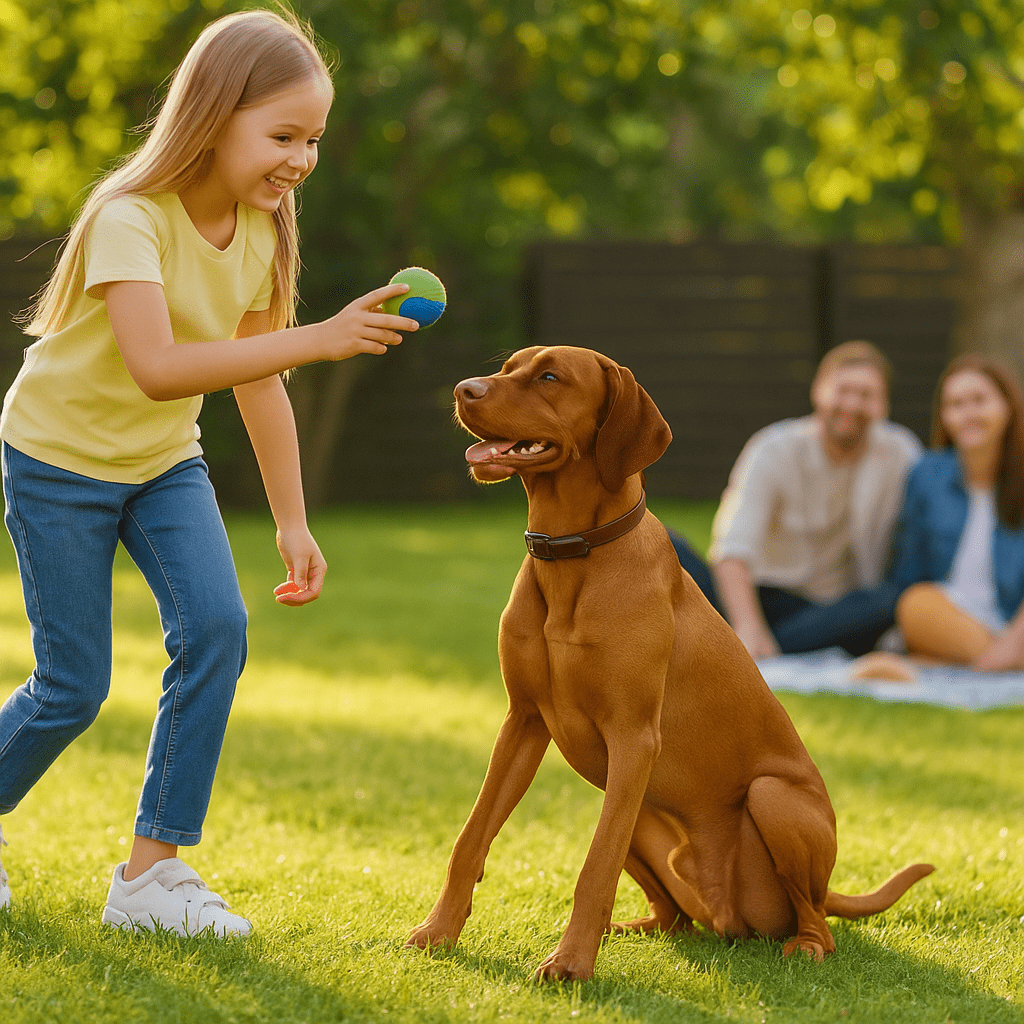
These dogs are deeply loyal and affectionate with families, including children. Their playful spirit makes them wonderful companions, though supervision is advised with smaller kids because of their boundless enthusiasm.

Training Your Vizsla: Structure and Consistency Are Key
Training a Vizsla can be a joy if you understand their personality. They’re intelligent and motivated, but they can also become anxious without proper structure.
1. Start Early with Socialization
Expose your puppy to different people, environments, and sounds between 8–14 weeks old. This builds confidence and helps prevent shyness or fear-based aggression later in life.
2. Positive Reinforcement Works Best
Vizslas respond beautifully to praise, treats, and affection. Avoid punishment-based training — it can cause emotional withdrawal. Instead, reward calm behavior, and your dog will quickly learn what you expect.
3. Channel Energy Through Obedience Games
Incorporate interactive play into training sessions. Fetch, scent games, and agility exercises will engage their mind while burning energy.
4. Separation Anxiety Management
Because Vizslas form deep attachments, they can struggle when left alone. Gradually train independence — start with short absences and provide comfort items like your scent on a blanket.
Related guide: Separation Anxiety in Dogs: Effective Training & Calming Tips
Grooming and Coat Care: Simplicity at Its Best
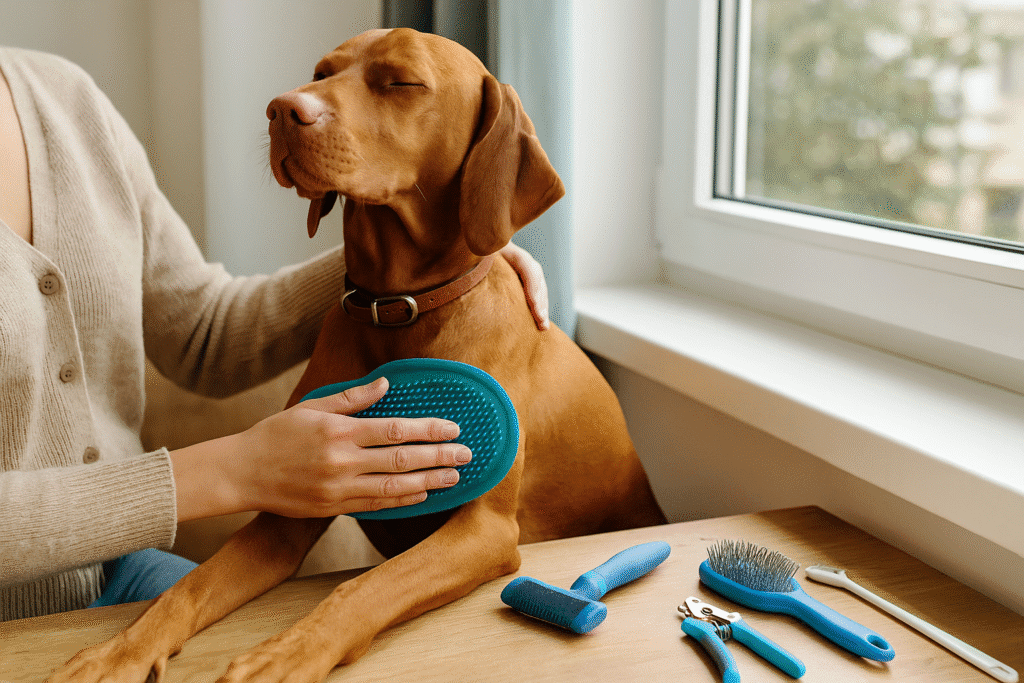
One of the best parts of owning a Vizsla is their low-maintenance grooming routine. Their sleek, short coat sheds minimally and requires only basic care to maintain its signature golden shine.
1. Brushing Routine
Use a soft rubber grooming mitt once or twice a week to remove loose hairs and distribute natural oils. This keeps the coat smooth and glossy.
2. Bathing Schedule
Vizslas have a naturally clean scent and do not need frequent baths — every 6 to 8 weeks is sufficient. Always use a gentle, hypoallergenic dog shampoo to prevent skin dryness.
3. Ear and Nail Maintenance
Check ears weekly for wax buildup or redness, as floppy ears can trap moisture. Trim nails every 2–3 weeks, as Vizslas’ nails grow quickly due to their activity level.
4. Dental Hygiene
Dental health plays a huge role in overall wellness. Brush your Vizsla’s teeth several times a week and provide dental chews approved by vets to reduce plaque buildup.
Diet and Nutrition: Feeding for Energy and Endurance
A Vizsla’s diet should match their high activity level. Choose a nutrient-rich formula that supports muscle recovery and joint health.
1. Ideal Diet Composition
- Protein: 25–30% for muscle maintenance
- Healthy fats: Omega-3 and 6 fatty acids for coat shine and joint health
- Carbohydrates: Complex grains or sweet potatoes for sustained energy
2. Feeding Schedule
Feed adult Vizslas twice daily. Puppies may require 3–4 smaller meals to support steady growth and avoid bloat — a serious concern for deep-chested breeds.
3. Foods to Avoid
Never feed your Vizsla onions, garlic, grapes, or chocolate — these are toxic. For a complete list, see Top 10 Foods Toxic to Dogs & Cats.
Health and Common Conditions
Vizslas are generally healthy but prone to certain hereditary issues. Regular vet visits, proper diet, and exercise can help minimize risks.
1. Hip Dysplasia
This joint issue is common in athletic breeds. Maintain a lean body weight and consider joint supplements like glucosamine and chondroitin.
2. Epilepsy
Some Vizslas inherit seizure disorders. With medication and lifestyle adjustments, most affected dogs lead normal lives.
3. Hypothyroidism
This hormonal imbalance causes weight gain and lethargy. Early detection through blood tests allows effective management with medication.
4. Allergies
Vizslas can develop skin or food allergies. Common triggers include chicken, wheat, and pollen. Use limited-ingredient diets and vet-approved allergy remedies for relief.
For more on allergy management, check Natural Remedies for Dog Allergies.
5. Bloat (Gastric Dilatation-Volvulus)
A life-threatening condition where the stomach fills with gas. Feed smaller meals, avoid vigorous play after eating, and watch for early symptoms like restlessness or swollen abdomen.
ACVS — Gastric Dilatation–Volvulus (GDV) in Dogs
Exercise Needs: The Athlete in Your Living Room
Vizslas need at least 90 minutes of vigorous activity daily. Without it, they may become anxious or destructive.
1. Running Partners
They make excellent jogging companions. Consistent exercise strengthens their bond with you and supports heart health.
2. Mental Stimulation
Beyond physical activity, engage their intelligence with puzzle toys and training games. Boredom can lead to mischief!
3. Dog Sports
Agility, field trials, and obedience competitions are perfect outlets for their athleticism.
Living with a Vizsla: What to Expect
Owning a Vizsla is a commitment to both companionship and activity. They do best in homes where they’re treated as family members, not left outdoors or alone for hours.
1. Apartment Living
While they can adapt to apartment life, frequent walks and mental engagement are non-negotiable.
2. Compatibility with Other Pets
They usually coexist well with other dogs but may chase smaller animals if not properly socialized.
3. Emotional Fulfillment
Vizslas crave love and thrive on being close to their humans. Their loyalty is unmatched — they’ll follow you from room to room simply to be near you.
Frequently Asked Questions (FAQ)
1. Are Vizslas good for first-time dog owners?
They can be, provided the owner is active and patient. Consistent training and socialization are essential.
2. How much exercise does a Vizsla need daily?
At least 90 minutes of high-energy activity — running, hiking, or swimming.
3. Do Vizslas shed a lot?
No, they have short coats and minimal shedding. Weekly brushing is usually enough.
4. Are Vizslas good with kids?
Yes, they’re affectionate and playful but should be supervised around small children due to their energy.
5. Can Vizslas be left alone?
They prefer constant companionship. Leaving them alone for extended periods can cause anxiety and destructive behavior.
Conclusion: Why the Vizsla Will Steal Your Heart
The Vizsla Care Guide wouldn’t be complete without acknowledging their remarkable blend of athleticism and affection. These dogs aren’t just companions; they’re emotional anchors — always eager to please, loyal to a fault, and brimming with joy. With proper care, training, and attention, a Vizsla will become your most devoted friend for years to come.
CTA: Want to explore more lovable dog breeds? See more Dog Breed Guides here.