

The Tonkinese Cat is a lively, affectionate, and intelligent breed known for its playful spirit and social personality. A perfect mix of Siamese elegance and Burmese warmth, this guide covers everything from care and grooming to personality traits and health needs.
Introduction to the Tonkinese Cat
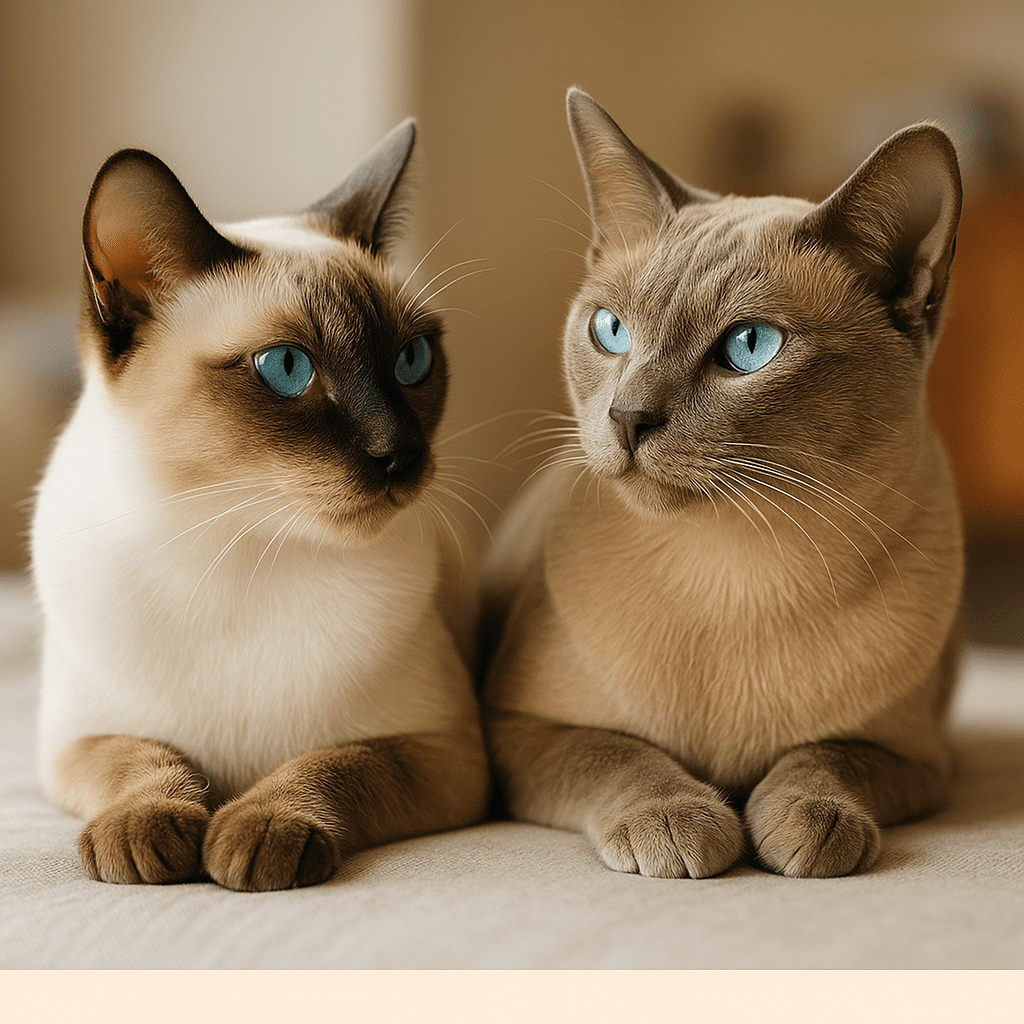
The Tonkinese Cat is a delightful blend of charm and energy. Originating from the cross between the Siamese and Burmese breeds, it combines the best of both worlds — the curiosity and sleek beauty of the Siamese with the affectionate and easygoing nature of the Burmese. This breed loves companionship and thrives in active, loving homes.
History and Origins
The history of the Tonkinese dates back to the mid-20th century when breeders sought to create a balanced cat — not as vocal as the Siamese, but more sociable than the Burmese. The result was a medium-sized cat with striking aqua-colored eyes and a silky, short coat. Recognized officially in the 1980s, the Tonkinese quickly gained popularity for its friendly disposition and intelligence.
Physical Characteristics
Appearance
The Tonkinese Cat is medium-sized with a muscular yet elegant build. Its most distinctive feature is its almond-shaped, aqua eyes — a captivating mix of blue and green. The coat comes in several patterns: mink, pointed, and solid, with colors ranging from champagne to blue, natural, and platinum.
Size and Weight
Adult Tonkinese cats typically weigh between 6 to 12 pounds. Males are slightly larger, but both genders share the same athletic, graceful body structure. Their coats require minimal grooming but benefit from occasional brushing to remove loose hair and maintain shine.
Personality and Temperament
The Tonkinese Cat is often described as a “dog-like” feline because of its strong attachment to humans and its desire to be involved in daily activities. It enjoys following its owner around, engaging in interactive play, and even greeting guests at the door. They are curious, confident, and exceptionally affectionate.
Social Nature
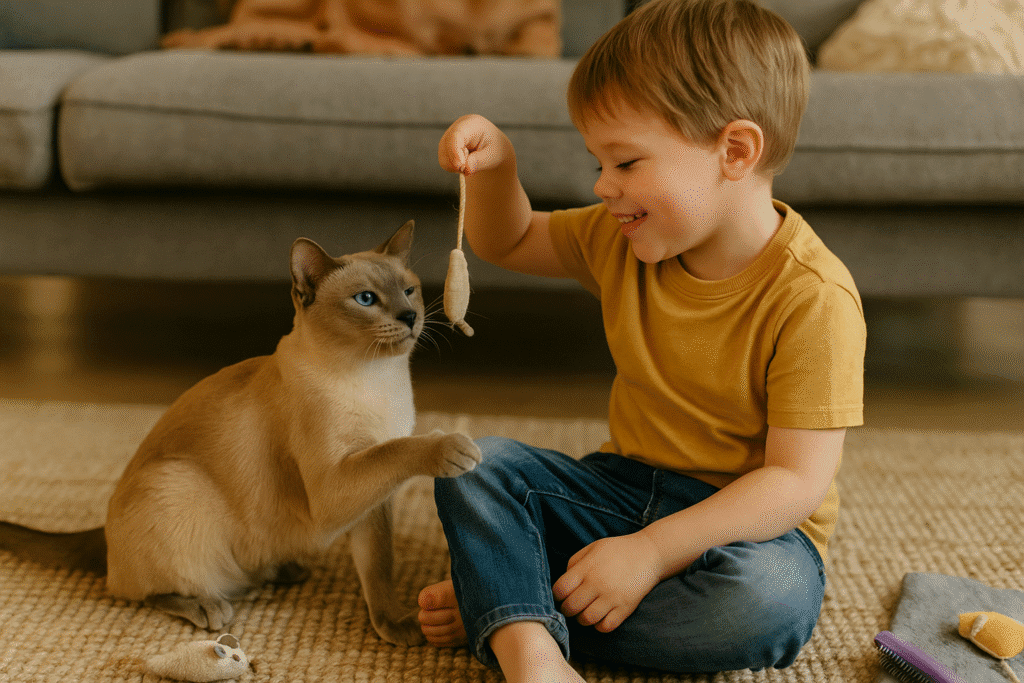
Unlike more independent cat breeds, the Tonkinese dislikes solitude. They form strong bonds with family members and often do best in households where someone is home frequently. Their playful nature also makes them great companions for children and other pets.
Intelligence and Trainability
These cats are quick learners. The Tonkinese Cat can be taught to fetch, perform simple tricks, and even walk on a leash. Positive reinforcement works wonders, as they respond best to praise and affection.
Care and Maintenance
Grooming Needs
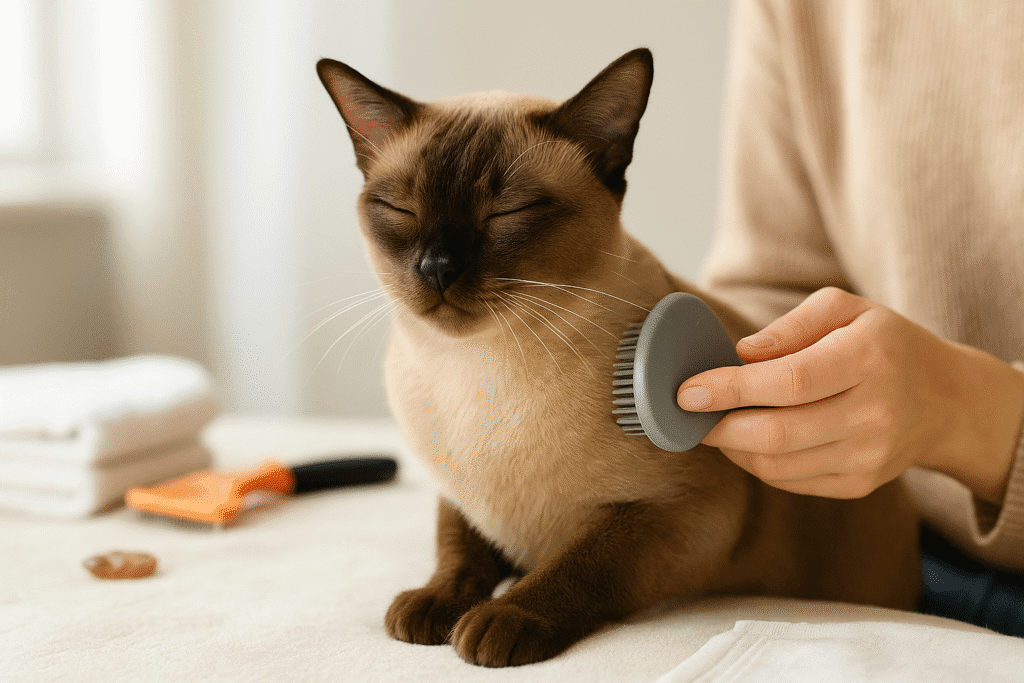
The short, silky coat of the Tonkinese requires minimal grooming. A weekly brush is usually sufficient to remove dead hair. Bathing is rarely necessary unless the cat gets particularly dirty. Regular ear cleaning, nail trimming, and dental hygiene are essential parts of care.
Exercise and Play
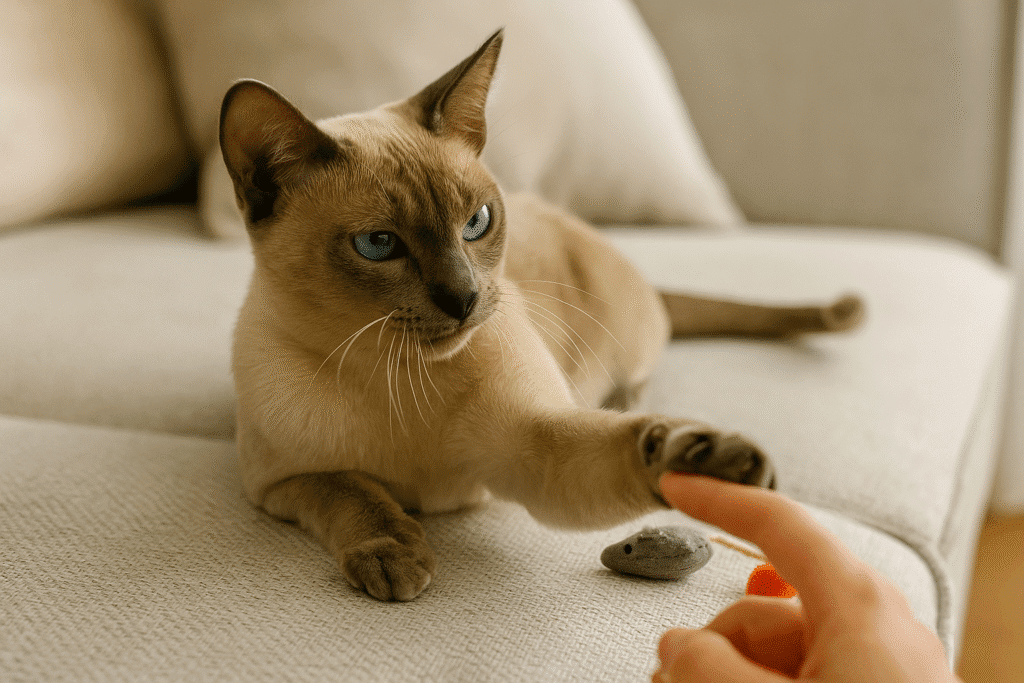
These cats love to climb, jump, and explore. Providing climbing trees, puzzle toys, and interactive play sessions will keep them mentally and physically stimulated. A bored Tonkinese can become vocal or mischievous, so engagement is key.
Nutrition and Diet
A balanced, high-protein diet supports their muscular build and active lifestyle. Look for premium cat foods with real meat as the first ingredient. Avoid overfeeding, as this breed can be prone to weight gain due to its love for treats and attention.
Health and Common Issues
The Tonkinese Cat is generally healthy, but because of its lineage, it may inherit certain conditions from its Siamese or Burmese ancestors. Common issues include gingivitis, respiratory sensitivity, and potential heart conditions such as hypertrophic cardiomyopathy (HCM). Regular vet checkups and preventive care help ensure a long, healthy life.
Learn more about feline heart health from Cornell Feline Health Center.
Living with a Tonkinese
Owning a Tonkinese Cat is a joy. They love being near their humans — whether lounging beside you or “helping” with your work. They’re adaptable to various home environments but thrive best when given plenty of love and playtime. Their sweet temperament makes them ideal for families, couples, and even single owners seeking a loving companion.
Training and Behavior Tips
- Use positive reinforcement to teach commands.
- Rotate toys to prevent boredom.
- Provide scratching posts to protect furniture.
- Reward calm behavior around guests.
Tonkinese Cat Lifespan and Aging
With proper care, the Tonkinese can live 13–18 years. As they age, maintain consistent vet visits and consider adjusting their diet to support joint and heart health. They stay playful even in their senior years, often retaining their kitten-like spirit well into adulthood.
Is the Tonkinese Cat Right for You?
If you’re looking for an affectionate, intelligent, and social cat, the Tonkinese is a perfect choice. This breed fits best with owners who can provide time, attention, and interaction. Their balanced energy and loving personality make them one of the most rewarding feline companions to have.
FAQ — People Also Ask
- Are Tonkinese Cats good for families? Yes! They are affectionate, gentle, and playful — great with children and other pets.
- Do Tonkinese Cats shed a lot? No, they have short coats that shed minimally and are easy to maintain.
- Are Tonkinese Cats vocal? They are moderately talkative — less than Siamese, but expressive when they want attention.
- How long do Tonkinese Cats live? With proper care, they typically live 13–18 years.
- Can Tonkinese Cats be left alone? Not for long. They crave human company and can become lonely or anxious.
Final Thoughts
The Tonkinese Cat is truly the heart of any home — intelligent, social, and full of personality. If you’re ready for a playful, loving companion who will brighten your days, the Tonkinese might just be your perfect match.
CTA: Discover More Breeds
Want to learn about more loving cat breeds? Read our detailed guides on the Russian Blue Cat and the British Longhair Cat.