

This comprehensive American Shorthair care guide covers temperament, daily routines, enrichment, litter strategy, nutrition, grooming, and veterinary care. Learn proven, low-stress tips to raise a healthy, affectionate American Shorthair that blends perfectly into busy homes and multi-pet families.
Why Choose an American Shorthair?
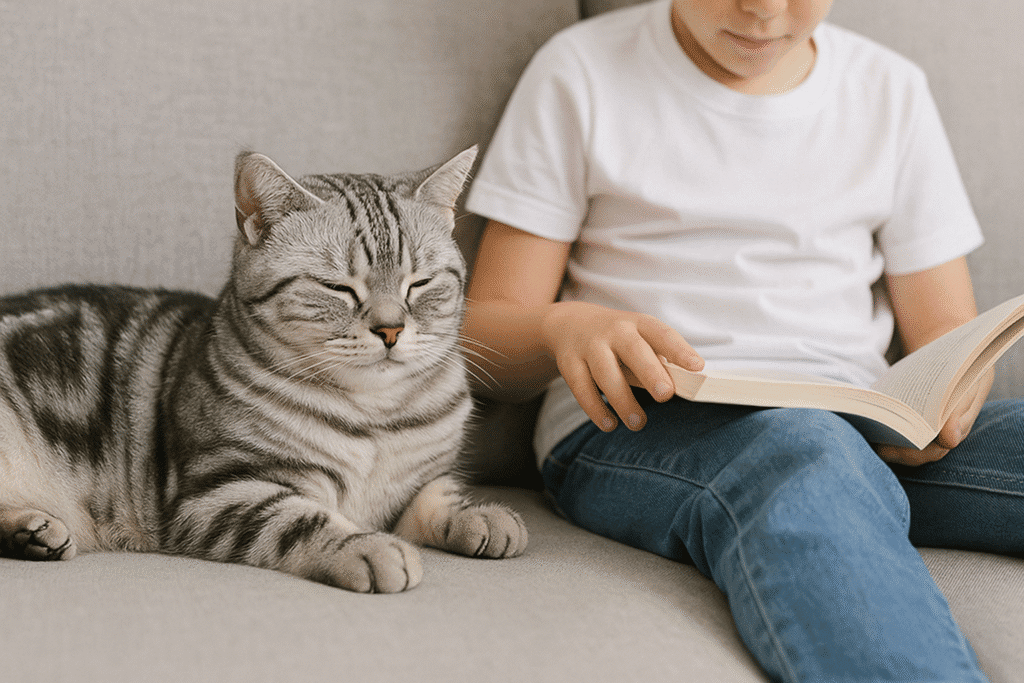
The American Shorthair (ASH) is famous for its adaptable, people-friendly personality and sturdy, low-maintenance build. If you want a playful yet calm companion that’s content on the windowsill one minute and chasing a wand toy the next, this American Shorthair care guide is for you.
Core Temperament Traits
- Even-keeled & affectionate: Bonds closely without demanding constant attention.
- Gentle with kids & pets: Typically tolerant when introductions are gradual and positive.
- Clever & curious: Enjoys puzzle feeders, perches, and supervised outdoor views.
- Quiet communicator: More chirps and trills than loud meows—great for apartments.
Who They Suit Best
- Families, first-time cat parents, and multi-pet homes
- People who want a low-grooming cat with moderate play needs
- Owners happy to provide vertical space, scratching outlets, and daily engagement
Daily Routine for a Happy American Shorthair
Structure keeps stress low and behavior predictable. Use this American Shorthair care guide schedule as a template:
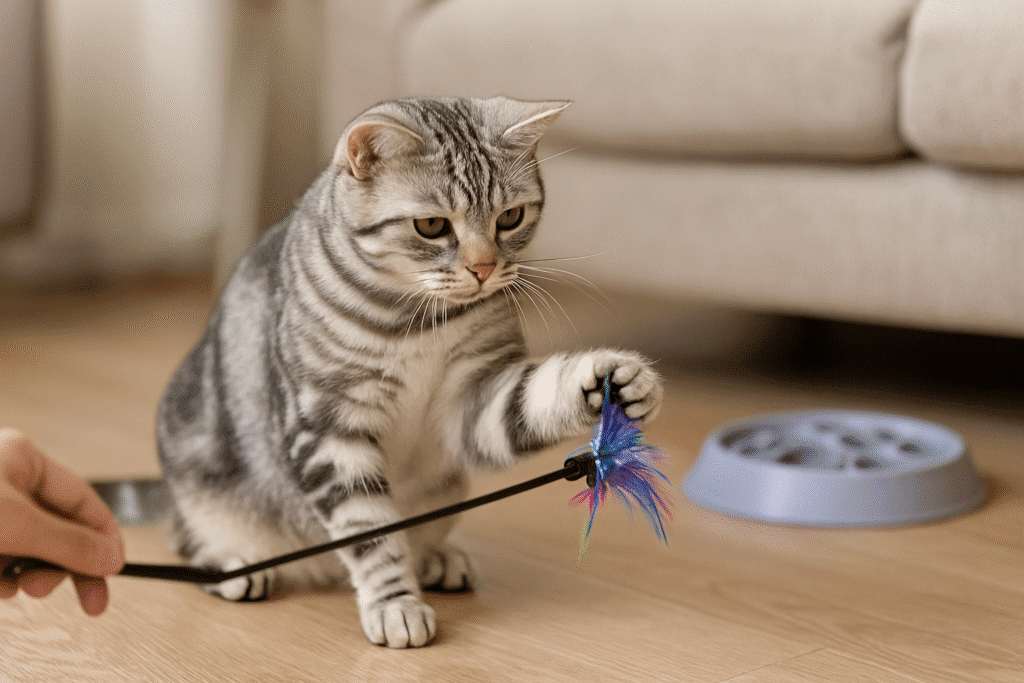
- Morning: Play 5–10 minutes (wand toy), then breakfast in a puzzle bowl; fresh water & litter scooped.
- Midday: Windowsill time, perch access, or foraging mat; quick check-in and treat hunt.
- Evening: 10–15 minutes interactive play, then dinner. Brush-through 2–3× weekly.
- Night: Wind-down with a chewable dental treat; lights-out routine for consistency.
Tip: Anchor play sessions before meals to mimic hunt-eat-sleep. It reduces random zoomies and nighttime wake-ups.
Training That Works (Yes, for Cats!)
Clicker training builds confidence and strengthens your bond. Keep sessions to 3–5 minutes with high-value treats.
Foundations
- Name & Target: Reward eye contact to name; teach nose-touch to a target stick for guiding onto perches.
- Come & Sit: Lure into position; mark and reward. Helpful at mealtime and nail checks.
- Carrier Love: Feed in the carrier; practice short “in-out” reps to prevent vet-day meltdowns.
For crate/carrier confidence and calm behaviors, see our step-by-step methods inside Clicker Training (Beginner’s Guide)—the principles translate cleanly to cats.
Grooming the American Shorthair
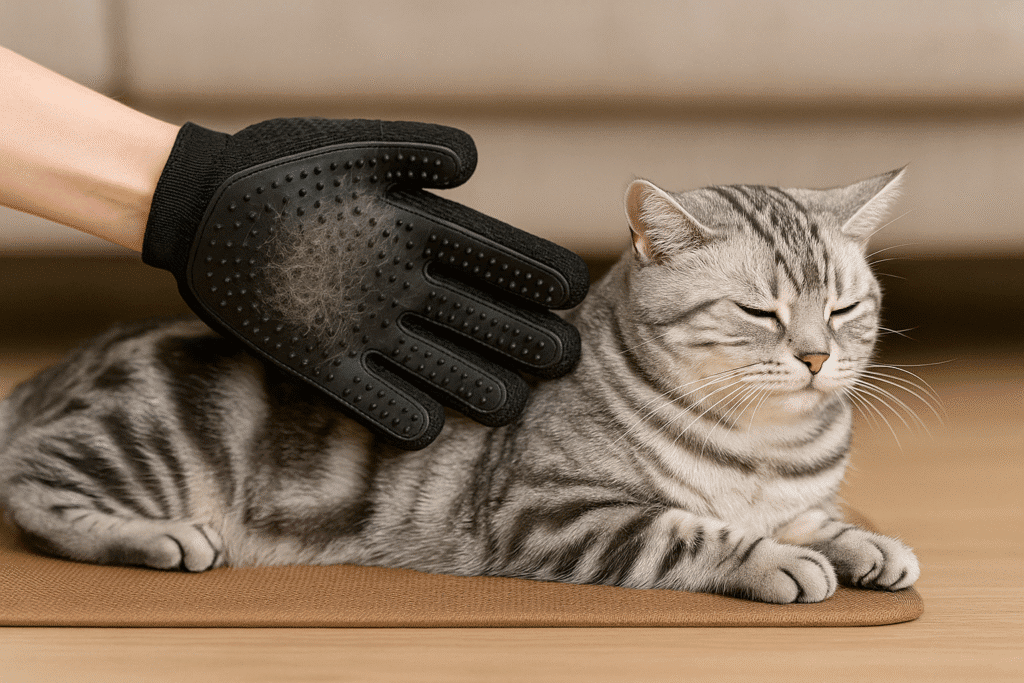
The short, dense coat sheds seasonally. A simple routine keeps skin and fur healthy while reducing hair on furniture.
Weekly Grooming Plan
- Brush 2–3× weekly: Soft rubber curry or grooming glove to remove loose hair.
- Nails every 2–4 weeks: Pair with treats; clip just the translucent tip.
- Teeth 3–5× weekly: Vet-approved enzymatic paste + dental chews as adjuncts.
- Ears/Eyes: Wipe debris with pet-safe wipes; avoid deep insertion.
- Baths: Rarely needed; use unscented shampoo if advised by your vet.
ALT text ideas: “American Shorthair care guide—weekly brushing with rubber glove,” “American Shorthair nail trim with treats,” “Carrier training with treats.”
Nutrition & Feeding: Keep the Middle Trim
American Shorthairs love food and can gain weight quietly. Choose an AAFCO-complete adult formula and feed by measured calories, not just cup estimates.
Portion Control & Meal Timing
- Two meals/day or timed micro-meals in puzzle feeders.
- Use a kitchen scale; record weekly weight and body-condition score (BCS).
- Prioritize high-protein, moderate-fat diets; avoid frequent high-calorie treats.
Smart Add-Ins (If Vet-Approved)
- Omega-3s (EPA/DHA): Supports skin, joints, and coat.
- Hairball support: Fiber-enhanced diets or paste during shedding seasons—see Cat Hairball Remedies.
- Dental diets/chews: Evidence-based products with veterinary endorsement.
Foods to avoid: Onions/garlic, chives, alcohol, xylitol, raw dough, grapes/raisins, chocolate. Review broader toxic lists here: Toxic Foods for Pets.
Litter Box Strategy (The Silent Secret of Harmony)
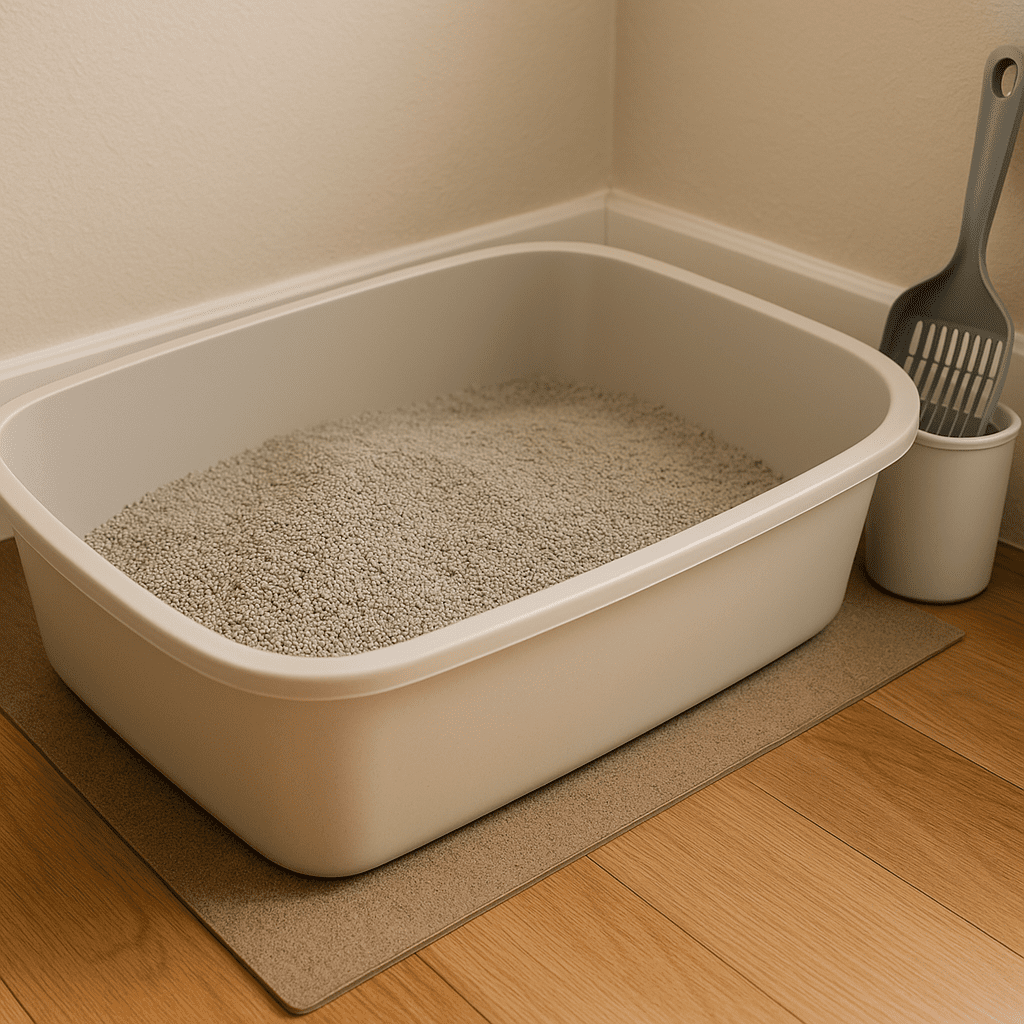
Most problems blame the cat, when the setup is at fault. The American Shorthair care guide rule: clean, roomy, and predictable.
- Provide one box per cat + one extra; place on different sides of the home.
- Use large uncovered boxes (1.5× cat length). Clumping, unscented litter wins most trials.
- Scoop daily; full change every 2–4 weeks with soap-and-water rinse.
- Parkour-friendly placement: away from loud laundry machines or corner dead-ends.
Enrichment & Environment: Design a Cat-Friendly Home
ASH cats are athletic in bursts. Give outlets to climb, scratch, and survey their kingdom.
Must-Haves
- Vertical space: Window perches and 1–2 tall cat trees.
- Scratching variety: Cardboard horizontal + sisal vertical posts.
- Foraging: Hide dry kibbles in snuffle mats or DIY tubes.
- Rotation: Swap toys weekly to refresh novelty.
For anxious meowers at night, align last play + dinner routine; see Night Calming Tricks (dog-oriented article, but the environmental principles—soundscapes, predictable routines—apply to cats too).
Health & Preventive Care
American Shorthairs are generally robust with lifespans of 15+ years. Weight control and preventive care do the heavy lifting.
Commonly Discussed Issues
- Obesity & arthritis risk: Keep BCS 4–5/9; maintain lean muscle with play and verticals.
- Dental disease: Small daily brushing beats sporadic deep cleanings.
- Lower urinary tract signs: Provide multiple water stations and clean litter; consider fountains.
- Hypertrophic cardiomyopathy (HCM): Not a hallmark like in some breeds, but report fainting, breathing changes, or exercise intolerance promptly.
Vet Schedule (Baseline)
- Annual exam; twice-yearly for seniors (labs + blood pressure).
- Core vaccines per local risk; parasite control as recommended.
- Dental rechecks; discuss pro cleanings when calculus or gingivitis advances.
Evidence-based reading (outbound): General feline-care guidance for pet owners is available from the AVMA Pet Owner Resources and the AVMA — Pet Owner Resources
Multi-Pet & Kid Integration
The ASH adapts well if intros are paced and positive.
- Scent first: Swap bedding for a day; feed on opposite sides of a closed door.
- Visual at distance: Gate or cracked door; reward calm from both animals.
- Short, managed visits: Increase duration as curiosity replaces tension.
- Kid rules: Pet with one hand, avoid face/ears/tail, and stop if the cat steps away.
Adoption & Responsible Sourcing
Whether you adopt or buy from a health-testing breeder, prioritize transparency. Ask about behavior notes, diet, vet history, and litter habits. For breed comparisons to make sure ASH fits your vibe, explore: British Shorthair Guide and Maine Coon Guide.
American Shorthair Care Guide: Quick Starter Kit
- Sturdy carrier; non-tip bowls; fountain or multiple water stations
- Puzzle feeder + wand toy + kicker toy + rotating small toys
- High perch, window seat, and mixed scratching posts
- Large, uncovered litter box(es) + unscented, clumping litter
- Rubber grooming glove; nail trimmer; enzymatic toothpaste/brush
FAQs — American Shorthair Care Guide
How much exercise do American Shorthairs need?
Two short interactive play sessions daily (5–15 minutes each) plus vertical exploration and foraging games meet most needs.
Are American Shorthairs hypoallergenic?
No cat is truly hypoallergenic. Regular brushing, HEPA filtration, and frequent bedding washes can reduce allergen load.
What’s the best food for American Shorthairs?
Any AAFCO-complete diet that maintains an ideal body condition. Ask your vet about protein levels, moisture goals (wet food can help urinary health), and calorie targets.
Do they get along with dogs?
Often, yes—if the dog is cat-savvy and intros are gradual. Provide dog-free perches and rooms.
How do I stop furniture scratching?
Provide vertical sisal posts near “problem” spots, reward use, and cover furniture temporarily with scratch-resistant fabric. Keep nails short.