

Is your dog coughing and struggling to rest? Discover vet-approved dog cough remedies that work fast. Learn what causes coughing, how to ease symptoms at home, and when to see your vet to ensure your furry friend gets quick and safe relief.
Understanding Dog Cough: What’s Really Going On?
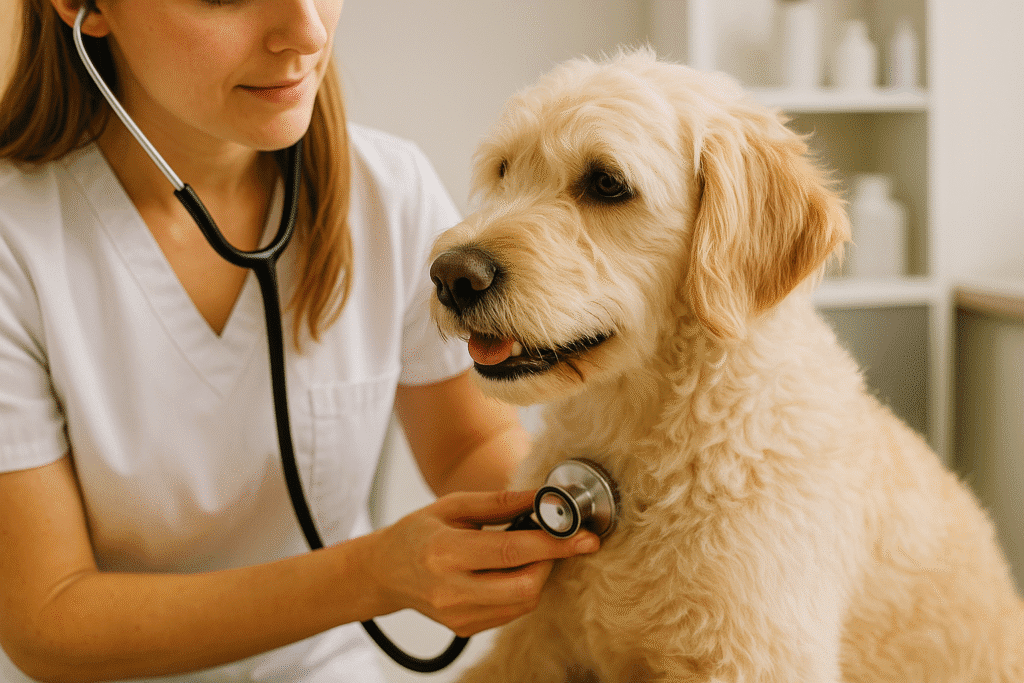
Coughing in dogs isn’t just a random sound — it’s your pet’s way of clearing their throat or signaling irritation in their respiratory tract. The causes range from mild infections to more serious issues like kennel cough, allergies, or heart disease. Knowing the type of cough helps you choose the right dog cough remedies.
Common Causes of Dog Coughing
- Kennel Cough (Bordetella): A contagious infection that spreads easily in dog parks or shelters.
- Allergies: Dust, pollen, and smoke can irritate your dog’s airways.
- Collapsed Trachea: Common in small breeds like Chihuahuas and Yorkies.
- Heart Disease: Can cause chronic coughing due to fluid buildup.
- Pneumonia or Respiratory Infections: Require immediate veterinary attention.
Fast-Acting Dog Cough Remedies You Can Try at Home
If your dog’s cough is mild and they’re eating and drinking normally, these home remedies for dog cough can help ease discomfort while promoting healing.
1. Use a Humidifier or Steam Therapy
Dry air worsens irritation. Place a humidifier near your dog’s bed or let them sit in a steamy bathroom for 10 minutes — the moisture soothes their throat and eases coughing.
2. Honey and Warm Water Mix
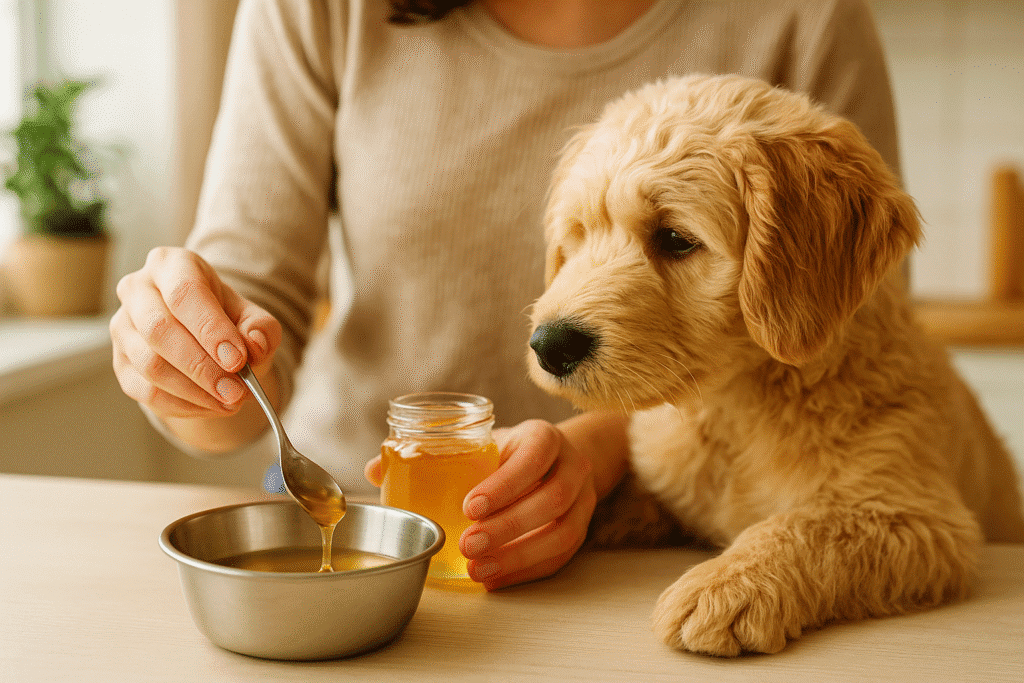
Honey is a natural cough suppressant. Mix 1 teaspoon of raw honey with warm water and offer it 2–3 times daily. (Avoid honey for puppies under 12 weeks.)
3. Hydration Is Key
Encourage your dog to drink plenty of water. Hydration thins mucus and helps them recover faster.
4. Rest and Calm Environment
Limit walks and playtime while your dog heals. Stress and overexertion can make the cough worse.
5. Coconut Oil or Bone Broth
Adding a spoon of coconut oil or warm bone broth to meals helps coat the throat and provides natural antimicrobial benefits.
When to See a Vet
Not all coughs are harmless. Call your vet if your dog’s cough lasts more than a week, sounds like gagging, or is accompanied by symptoms like:
- Loss of appetite or energy
- Wheezing or labored breathing
- Blue gums or tongue
- Fever or vomiting
Severe or persistent coughing may indicate heartworm, tracheal collapse, or heart failure. Your vet may recommend x-rays or prescribe antibiotics or cough suppressants.

Vet-Approved Medications and Treatments
For serious or chronic cases, veterinarians may prescribe:
- Cough suppressants like hydrocodone (for severe irritation)
- Antibiotics (if bacterial infection is confirmed)
- Anti-inflammatories for airway swelling
- Heart medications if related to cardiac disease
For trusted veterinary resources, see ASPCA Dog Health Library or VCA Animal Hospitals – Kennel Cough Guide.
Prevention: How to Keep Your Dog Cough-Free
Prevention is the best remedy! Here are simple ways to reduce the chance of recurring coughs:
- Stay up to date on vaccinations (especially Bordetella).
- Keep your dog away from smoke, perfume, or strong chemicals.
- Feed a balanced diet with immune-boosting nutrients.
- Clean bedding and toys regularly to reduce allergens.
Helpful Internal Links
Read more about related dog health topics:
- Dog Allergies Explained: Common Triggers & Relief
- Best Dog Multivitamins: Benefits & Vet Recommendations

FAQ: People Also Ask
1. Can I give my dog human cough medicine?
No, human cough medications like Robitussin or NyQuil can be toxic. Always consult a vet before giving any medication.
2. How long does kennel cough last?
Mild kennel cough typically clears up within 2–3 weeks with rest and home care. Persistent coughs may need antibiotics.
3. Is honey safe for dogs with a cough?
Yes, honey is safe for adult dogs and helps soothe the throat naturally. Use 1 teaspoon for small dogs and 1 tablespoon for large breeds.
4. Can a dog cough from allergies?
Yes, dogs can cough due to pollen, dust, or mold allergies. In such cases, managing environmental triggers and using air purifiers can help.
5. When should I worry about my dog’s cough?
See a vet if your dog’s cough lasts longer than a week or if you notice difficulty breathing, wheezing, or fatigue.
Conclusion: Quick Relief, Long-Term Health
With proper care and the right dog cough remedies, most dogs recover quickly. Always observe your pet closely, maintain good hygiene, and consult your vet if symptoms persist. A healthy respiratory system means a happy, energetic dog ready for more tail-wagging adventures.
CTA
👉 See more Pet Health Guides on our blog for expert advice and proven care tips.