
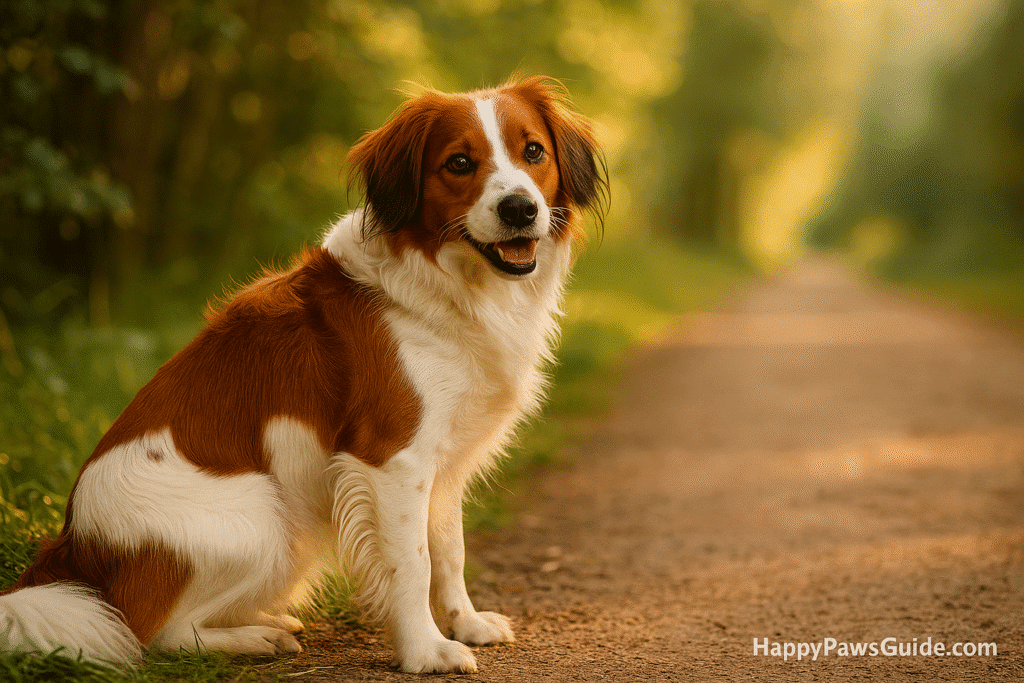
This kooikerhondje care guide gives you a calm, step-by-step plan—low-shedding coat routines, brain-first exercise, polite greeting skills, and vet-aligned health checks. Build confidence without over-arousing this cheerful Dutch decoy dog, from puppy socialization to senior comfort.
Kooikerhondje care begins with understanding what this small, athletic Dutch gundog was bred to do: move lightly, think quickly, and work close to their person. They’re affectionate at home yet sensitive to chaos; they shine when you pair brainy activities with predictable routines. Below is a practical, owner-tested blueprint covering temperament, grooming, exercise, nutrition, manners, and health—so your “Kooiker” grows glossy, confident, and easy to live with.
Kooikerhondje Care Basics: Temperament Snapshot
- Core traits: Cheerful, people-oriented, clever, movement-sensitive (motion can trigger chase).
- Energy: Moderate-high in bursts; settles beautifully after thinking tasks.
- Sensitivity: Sound/motion sensitive in some lines—gentle, predictable training pays off.
- Shedding: Low–moderate; seasonal upswing but manageable with routine brushing.
- Family fit: Excellent for active homes that value calm structure over constant hype.
Think “nimble spaniel brain with tidy house manners.” They’re cuddly off-switch dogs when their brain and nose are satisfied.
Kooikerhondje Care Routine: Morning → Night
- Morning (10–15 min): Sniff-walk or scatter-feed in the yard; two minutes of quiet “hand target → heel side” to prime focus.
- Midday (5 min): Food-puzzle refresh (lick mat, snuffle box). Short potty + “Leave It” rep on real-life crumbs/leaves.
- Evening (15–25 min): Brainy play (two short scent games + one recall game). Finish with line-brushing and fetch wind-down.
- Lights-out: Small bedtime snack + calm chew to reduce dawn wake-ups.
Grooming & Coat Management: Low-Stress, High Result
The Kooikerhondje has a medium, silky coat with prettier feathering at ears, chest, tail. Done right, upkeep is quick.
Kooikerhondje Care Grooming Guide (Weekly)
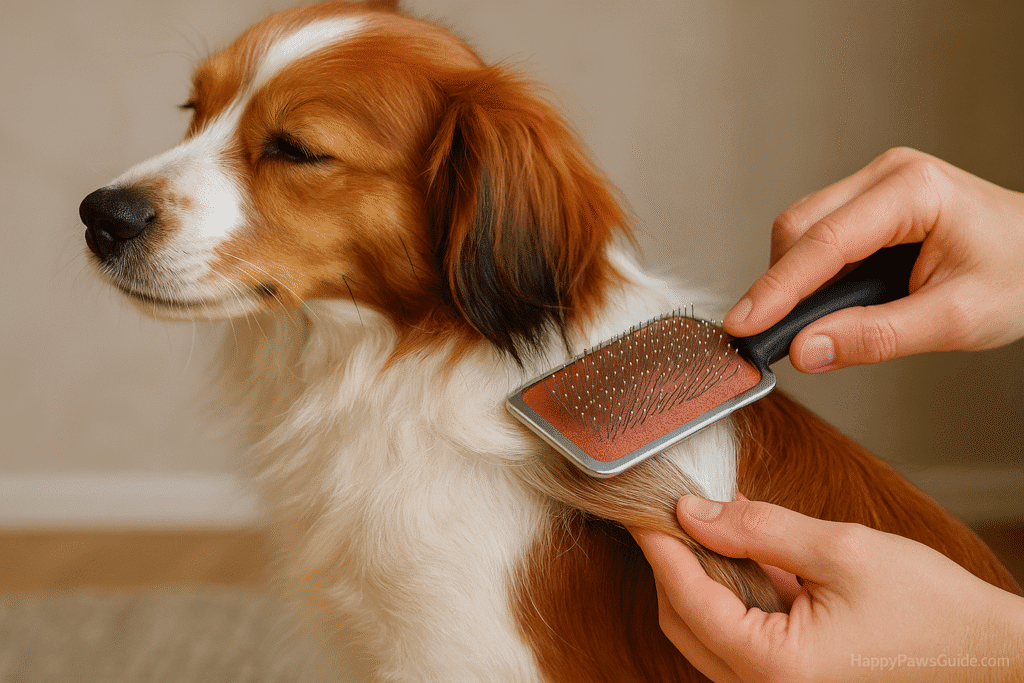
- 3–5 minute brush-through (long-pin slicker or soft pin brush). Part the fur (line-brushing) to lift loose undercoat.
- Comb check behind ears, armpits, breeches, tail base—mats start here.
- Ears & feet: Wipe ear flaps; trim stray hair between pads if slippery.
- Baths: Every 6–8 weeks or after swamp fun; use mild dog shampoo, rinse thoroughly, squeeze-towel + low blow-dry.
- Nails: Every 2–3 weeks; tiny, frequent trims keep quicks short.
Shedding season? Add an undercoat rake 1–2×/week for three weeks. Stop once you collect only a few hairs per stroke.
Kooikerhondje Care Nutrition Plan
- Foundation: Complete & balanced diet with animal protein in the top ingredients.
- Body condition: Aim for a visible waist and easy-to-feel ribs; adjust calories monthly.
- Omega-3s: Support joints, skin, and coat—ask your vet about dosing.
- Hydration: Fresh water; moistened meals help during heavy activity.
- Tummy management: Sensitive dogs benefit from a stable brand and gradual transitions (7–10 days).
Use a food scale. For treat math, keep training rewards to ~10% of daily calories and balance by slightly trimming meals on heavy training days.
Exercise & Enrichment: Brain Before Speed
Kooikers love to chase, but too much frantic fetch can spike arousal. The secret is front-loading thinking and smelling.
Weekly Mix (Sample)
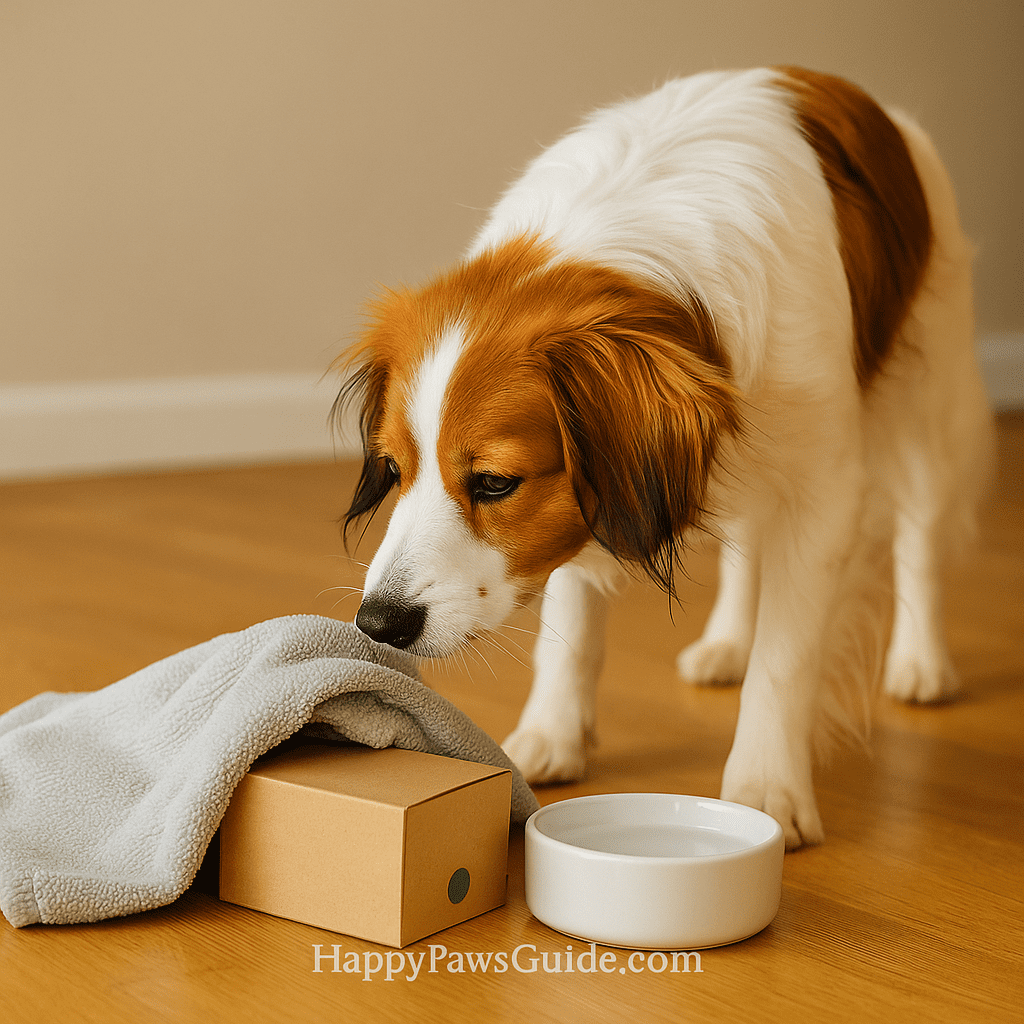
- 2× Scentwork mini (find a hidden tea bag or food pouch; 5–7 minutes).
- 2× Skill circuits (hand target → “with me” → down on mat → release to sniff).
- 2× Sport tasters (rally patterns, low-impact agility foundations, trick titles).
- Daily sniff-walk (20–30 min, decompression pace; allow nose-time).
For polite outdoor safety, pair this guide with our impulse-control staples: Teach “Leave It” in 3 Days and Emergency Stop (7 Minutes a Day).
Manners that Matter: Calm Greetings, Guests & Kids
Greeting Protocol (2-Week Plan)
- Default sit → treat anytime a person approaches. Practice on quiet streets first.
- “Go to Mat” when the doorbell rings; scatter a few kibbles on the mat for sniffing while guests enter.
- Consent-based petting: Two scritches, pause, watch the dog lean in (continue) or step away (stop).
Motion Sensitivity Fix
Some Kooikers want to chase running kids or bikes. Run a pattern game: “See jogger → turn to handler → treat trail on ground.” The environment becomes the cue to check in, not to chase.

Socialization Without Overwhelm (Puppies & Shy Adolescents)
- 1–2 new things/day (texture, sound, calm dog, novel hat). End while confidence is rising.
- Distance first: Let your dog watch at a distance, then approach if the tail stays loose and mouth soft.
- Handler bubble: You decide who greets; strangers don’t loom or hover.
Capture bravery: mark and feed for head turns toward new things, soft eye blinks, and self-chosen approaches.
Training Framework: Small Wins, Clear Criteria
Kooikers thrive on precision. Use quiet markers, short reps, and planned success.
Core Cues for a City-Savvy Kooiker
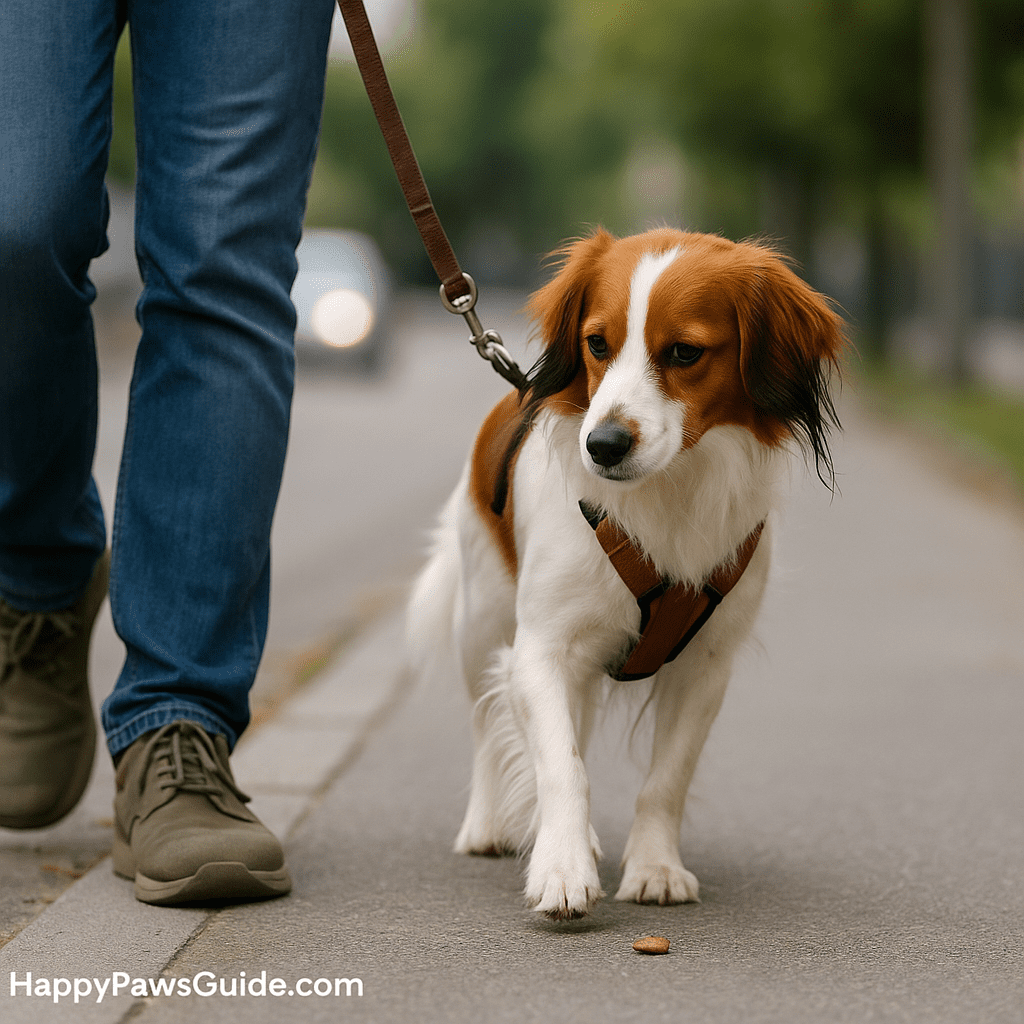
- “With me” (loose-leash position) for polite sidewalks—pair with this primer: Leash Training Without Pulling.
- “Leave it” for food scraps and pigeons—see: 3-Day Leave It.
- Emergency stop (freeze on cue)—see: 7-Minute Plan.
- “Go to mat” to manage doorways and dinner time.
Reinforcement Strategy
- Early stage: High rate (every good choice pays).
- Generalization: Pay the first look-away from distractions; add distance before duration.
- Maintenance: Random jackpots for brilliance keep behavior sparkly for life.
Health & Vet-Aligned Care: What to Watch
Ask your breeder or rescue about known issues in the line, and partner with your vet on screening. Keep weight trim; fitness and lean mass are protective for almost everything.
Common Watchlist for Small Sporting Dogs
- Orthopedic: Patella luxation in some small dogs; keep nails short and muscles strong.
- Ears & skin: Feathering traps moisture—dry fully after swims; monitor for hot spots. See our guide: Dog Hot Spots Relief.
- Eyes: Feathering can irritate; comb gently away from eyes.
- Teeth: Brush 3×/week; dental diets or chews if tartar builds.
Annual & Lifestyle Checks
- Wellness exam + baseline bloodwork as advised by your vet.
- Parasite prevention tuned to local risk.
- Sport soundness: If you do agility/rally, add a spring orthopedic check.
Learn more (outbound): General canine wellness and skin-hot-spot overviews at ASPCA Dog Care and VCA: Hot Spots.
Life Stages: Puppy → Adult → Senior
Puppy (8–16 weeks)
- Short, happy field trips (carry if needed); end visits before fatigue.
- Crate-calm foundations: 30–60 seconds at a time with food-stuffed chews.
- Micro-grooms: touch paws/ears → treat; 10–15 seconds is enough.
Adolescent (6–18 months)
- Impulse control games (It’s-Yer-Choice, “Leave It”).
- Recall on a long line at parks; layer distractions slowly.
- Sport samplers: foundation agility (low impact), trick titles, rally patterns for precision.
Adult (2–7 years)
- Weekly schedule: 2 scent games, 2 skill circuits, 1–2 sport classes, daily sniff-walks.
- Weight check monthly; trim to the athletic side of normal.
Senior (8+ years)
- Shorter, richer sniff-walks; more puzzles, fewer sprints.
- Orthopedic bed, non-slip rugs, raised bowls if neck/shoulders are stiff.
- Biannual wellness labs per vet advice.
Home Setup for Kooikerhondje Care
- Zones: Quiet mat near the kitchen, doorway mat for “go to place,” child-free retreat corner.
- Enrichment: Two scratch-and-sniff stations (boxes with safe herbs/leaves), rotate toys weekly.
- Flooring: Non-slip runners for zoomy moments; trim paws between pads for traction.
- Travel: Crate or seat-belt harness; practice short car cookies → naps before long trips.
Print-Friendly Kooikerhondje Care Checklist
- ✔ Brush 3–5 min most days; comb hot-spot areas weekly.
- ✔ Scent + skill before fetch; daily decompression sniff-walk.
- ✔ “Leave It,” “With me,” and Emergency Stop—two minutes each, most days.
- ✔ Trim nails q2–3 weeks; clean/dry ears after water work.
- ✔ Keep lean; review calories monthly; add omega-3 per vet.
- ✔ Annual vet exam; early help for any skin/ear/limp red flags.
Related Guides (Internal Links)
- Teach “Leave It” in 3 Days
- Teach Dog Emergency Stop in 7 Minutes a Day
- How to Train a Dog to Walk on a Leash Without Pulling
- Dog Hot Spots Relief: Vet-Approved Treatments & Prevention
FAQ: Kooikerhondje Care
Do Kooikerhondjes shed a lot?
Shedding is low–moderate and seasonal. Short, frequent brushing and a quick undercoat rake during spring/fall keep hair manageable.
Are they good with kids and guests?
Yes—when greetings are structured. Teach “go to mat” for door time and use consent-based petting. They’re affectionate but can be motion-sensitive.
How much exercise do they need?
Daily decompression walks (20–30 minutes) plus brain tasks. Two short brain games can replace one fetch session without over-arousal.
Can Kooikerhondjes live in apartments?
Absolutely. Prioritize sniff-walks, puzzles, and predictable quiet times. Non-slip rugs help zoomies stay safe.
What’s the biggest training mistake?
Too much hype. Keep sessions short, precise, and calm; pay generously for check-ins and stillness around motion.
Call to Action
Ready to start tonight? Run a five-minute scent game, two minutes of “with me,” and a 60-second brush-through. Bookmark Leave It and Emergency Stop so your kooikerhondje care routine stays calm, safe, and joyful.
- ALT: Kooikerhondje care—cheerful Dutch decoy dog doing a calm sniff-walk on a tree-lined path
- ALT: Owner line-brushing Kooikerhondje feathering behind the ears to prevent mats
- ALT: Kooikerhondje practicing go-to-mat while guests arrive—calm greeting routine
- ALT: Kooikerhondje scentwork—sniffing for a hidden tea bag in a cardboard box puzzle