
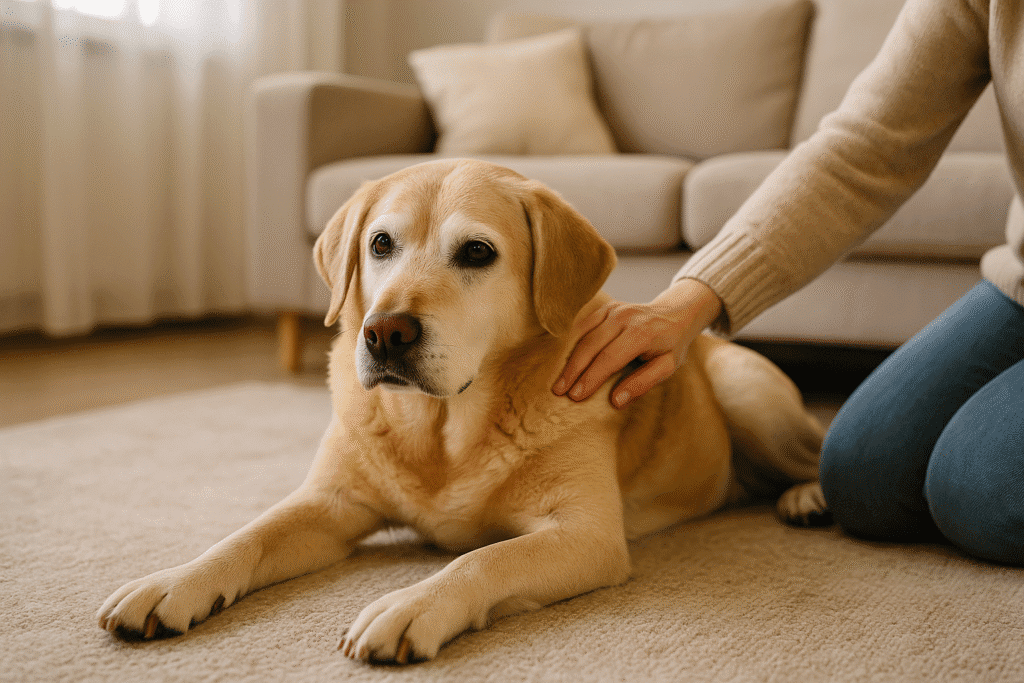
Arthritis is common in aging dogs, but the right care makes a big difference. This complete guide on managing arthritis in dogs explores natural remedies, safe exercise, and veterinary treatments to keep your dog mobile, happy, and pain-free.
Introduction
Arthritis affects millions of dogs worldwide, especially as they age. The condition causes joint inflammation, pain, and reduced mobility. While it cannot always be cured, it can be effectively managed through a combination of natural remedies, exercise routines, and veterinary care. In this guide on managing arthritis in dogs, we’ll cover everything owners need to know about spotting symptoms and creating a care plan that improves quality of life.
(Outbound link: Learn more about canine joint care from VCA Hospitals: Arthritis in Dogs.)
Recognizing Arthritis in Dogs
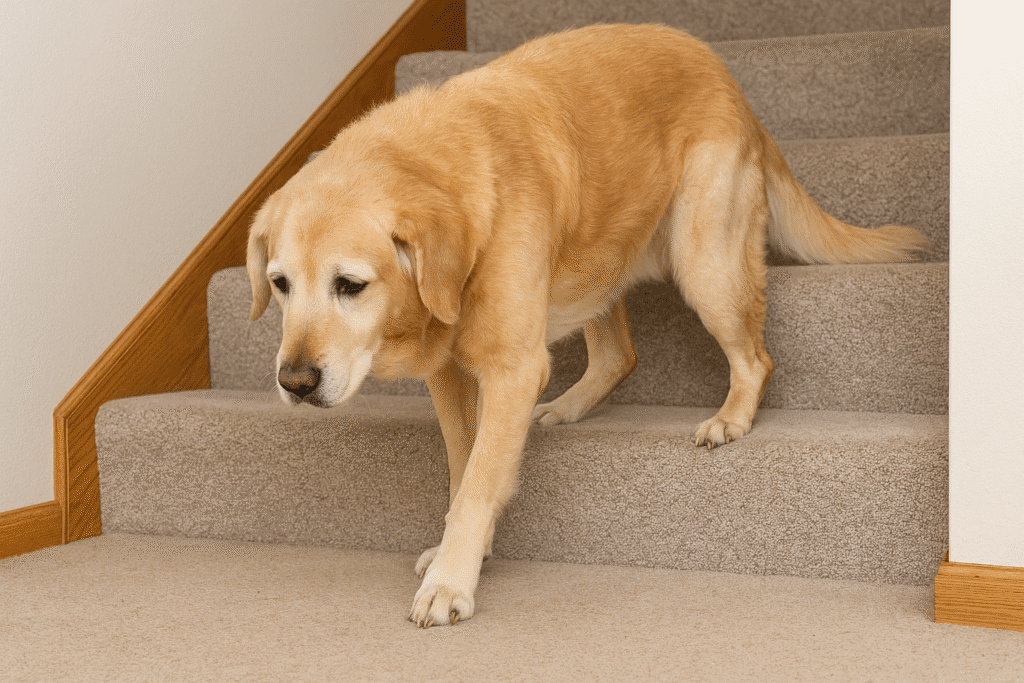
Early detection helps manage the disease effectively. Common signs include:
- Limping or stiffness after rest
- Reluctance to climb stairs or jump
- Decreased activity or playfulness
- Swollen or sensitive joints
- Behavioral changes such as irritability
Natural Remedies for Dog Arthritis
Many owners look for supportive, natural options alongside veterinary treatment. Here are some proven methods:
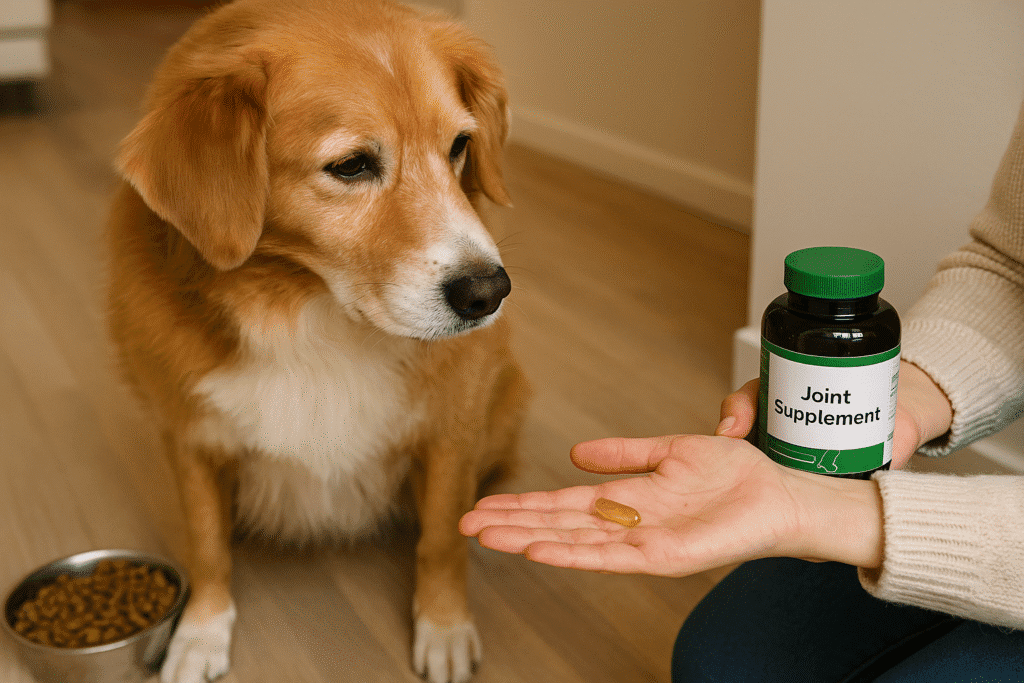
1. Joint Supplements
Glucosamine, chondroitin, MSM, and omega-3 fatty acids can help reduce inflammation and protect cartilage. Always consult your vet before starting supplements.
(Internal link: For details, see our Best Joint Supplements for Senior Dogs guide.)
2. Weight Management
Excess weight puts added pressure on joints. Keeping your dog at a healthy weight is one of the most effective ways to reduce arthritis symptoms.
3. Alternative Therapies
Acupuncture, hydrotherapy, and massage can improve circulation, relieve pain, and strengthen muscles supporting the joints.
4. Anti-inflammatory Diet
Foods rich in omega-3s (like fish oil) and antioxidants may help reduce inflammation. Avoid high-calorie foods that contribute to weight gain.
(Outbound link: For canine diet guidance, see VCA Hospitals: General Feeding Guidelines for Dogs.)
Exercise for Dogs with Arthritis
Exercise keeps joints flexible and muscles strong, but it must be adjusted for arthritic dogs.
Safe Exercise Options
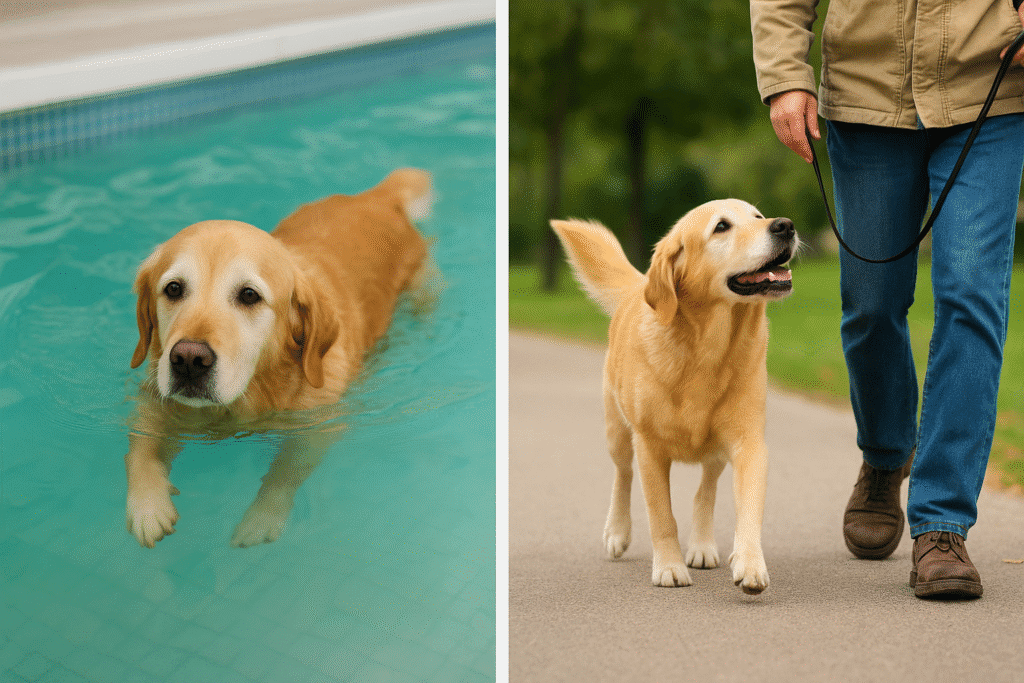
- Short Walks: Several gentle walks are better than one long session.
- Swimming: Low-impact and excellent for joint mobility.
- Controlled Play: Interactive games at a slower pace help with mental stimulation.
What to Avoid
Avoid high-impact activities like jumping, running on hard surfaces, or long hikes that stress the joints.
(Internal link: Learn leash techniques in our Guide to Leash Walking Without Pulling.)
Veterinary Care & Medical Options
While natural remedies and exercise help, veterinary care is crucial for managing arthritis effectively.
Medications
- NSAIDs: Reduce inflammation and pain (only use under vet supervision).
- Pain Relievers: Prescribed when arthritis becomes advanced.
- Joint Injections: In some cases, injections may provide relief.
Regular Check-Ups
Your vet will monitor progress, adjust medication, and screen for other health issues that could complicate arthritis.
Home Modifications
- Provide orthopedic dog beds for joint support.
- Use ramps instead of stairs.
- Keep nails trimmed to reduce gait strain.
Living with a Dog with Arthritis
Compassion and consistency are key. Adjust daily routines, provide supportive therapies, and celebrate small victories as your dog maintains mobility and comfort.
Frequently Asked Questions (FAQ)
- What is the most common cause of arthritis in dogs?
Age-related wear and tear, obesity, and genetic predispositions are leading causes. - Can arthritis in dogs be cured?
No, but with proper management, symptoms can be significantly reduced. - Are natural remedies safe for arthritis?
Yes, but always consult your vet before starting supplements or therapies. - Is swimming good for arthritic dogs?
Yes, hydrotherapy and swimming are excellent low-impact exercises. - How can I make my home arthritis-friendly?
Use ramps, soft bedding, and keep food and water bowls elevated.
Conclusion
Managing arthritis in dogs requires a holistic approach: natural remedies, safe exercise, and veterinary care all play a role. With patience and dedication, you can ensure your dog enjoys a comfortable, fulfilling life despite arthritis.
Call to Action
Want more guides on canine health? Explore our Pet Health collection here.